
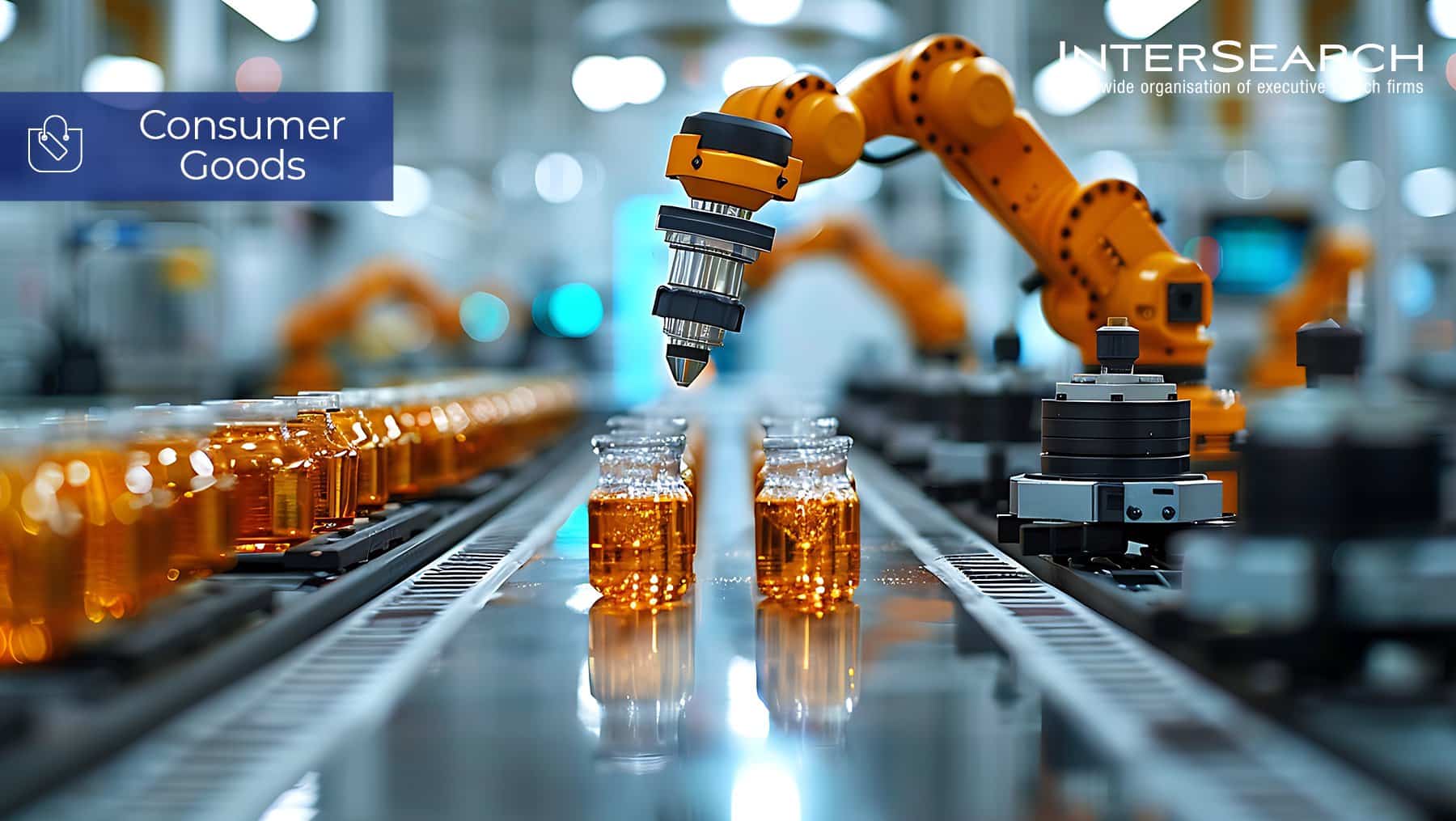
Industry 4.0, driven by advancements in automation, data analytics, artificial intelligence, and the Internet of Things (IoT), is causing profound transformations across numerous industries. The consumer goods sector is also deeply impacted by these technological innovations, undergoing significant changes from production processes to supply chains, customer experience to marketing strategies. This transformation not only redefines business practices but also requires a reimagining of how leaders manage this shift and shape the future workforce.
Transforming Leadership in the Consumer Goods Sector
The evolving consumer goods sector in the Industry 4.0 era requires a shift in leadership approach. To keep pace with rapid technological advancements, leaders must adopt a proactive, agile, and data-driven mindset. The essential qualities of future leadership in this context can be explored as follows:
- Data-Driven Decision Making: Since the consumer goods sector relies heavily on consumer data, data-driven decision-making is paramount. Leaders who can interpret this data and shape their strategic decisions accordingly gain a competitive edge in the sector.
- Flexible and Agile Management: As consumer needs rapidly evolve, leaders are expected to respond swiftly to these changes. Agile management approaches enable leaders to quickly adapt to organizational shifts, providing a competitive advantage.
- Innovative Thinking and Risk-Taking: The digital transformation process highlights leaders who can develop creative solutions and encourage innovative ideas. Leaders who empower their teams to experiment and test new concepts are better positioned to leverage the opportunities of Industry 4.0.
Preparing the Workforce of the Future in the Consumer Goods Sector
Industry 4.0 necessitates a restructuring of the existing skill sets within the workforce. For employees in the consumer goods sector to adapt to new technologies and digital tools, leaders must develop workforce advancement strategies. Key approaches in this area include:
- Enhancing Digital Skills: Training programs focused on data analytics, artificial intelligence, and automation technologies are crucial in helping employees adapt to digital transformation. Programs that foster expertise in data analysis, IoT tools, and customer data management are essential in transforming the workforce.
- Flexible Work Models: Industry 4.0 technologies support remote and hybrid work models, allowing employees to maintain a work-life balance and become more productive. Leaders who foster a culture of flexible work see increased motivation and attract talented individuals to the sector.
- Continuous Learning Culture: To keep pace with the speed of digitalization, leaders need to promote a culture of continuous learning. Known as “learning agility,” this approach enables employees to quickly adapt to new knowledge and skills, offering a competitive advantage in the sector.
Successful Applications
Some of the world’s well-known companies in the consumer goods sector have successfully combined Industry 4.0 opportunities with leadership and workforce strategies to achieve remarkable outcomes. Leading brands in this industry have enhanced their efficiency by implementing digital supply chain monitoring systems and utilizing data-driven customer analytics. Additionally, these companies are actively preparing their workforce for the future by providing digital skills training. By aligning their digital transformation strategies with robust leadership capabilities, these organizations have reinforced their competitive positions in the market.
Conclusion
Industry 4.0 is reshaping both business practices and leadership perspectives in the consumer goods sector. Future leaders must adapt to technological advancements while developing a data-driven, agile, and innovative vision. At the same time, cultivating a digitally skilled workforce is one of the fundamental factors for securing a competitive advantage in the consumer goods sector. In this context, it is crucial for leaders to view digital transformation not merely as a technological innovation but as an organizational and cultural shift.
Article by Melike Akbulut (InterSearch Turkey), member of Consumer Goods Practice group of InterSearch Worldwide.
InterSearch Worldwide’ s Consumer Goods Practice Group is here to guide and support your organization through the complexities of Industry 4.0, offering tailored insights and expertise to empower your leadership and workforce for the future. Let us help you navigate this transformation with confidence.

 English
  Spanish